

Our Team
The People Behind
the Prediction
A team at the intersection of neuroscience, data science, and organizational performance.
The Founders
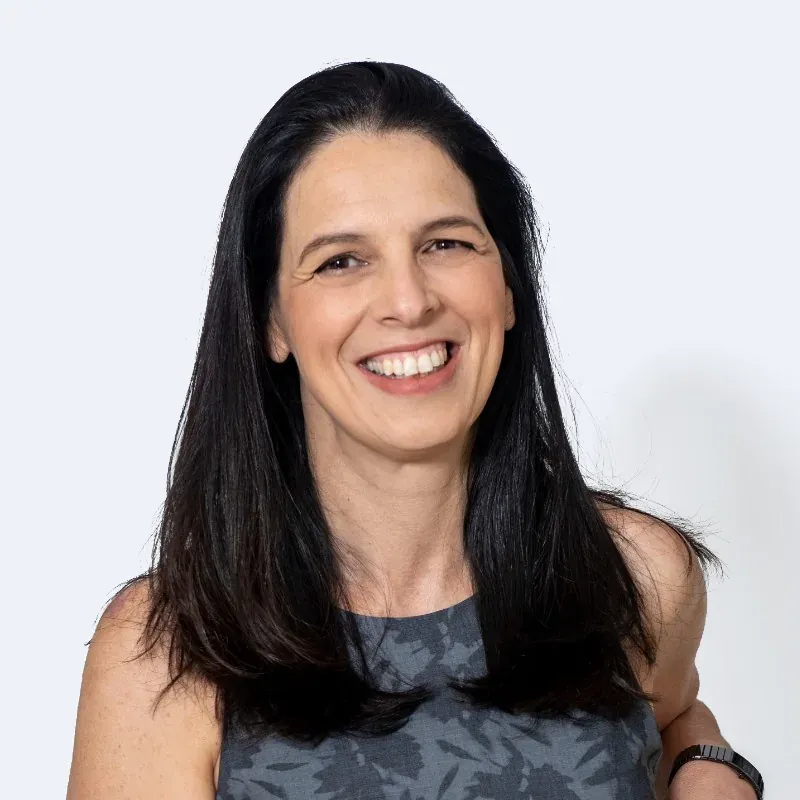
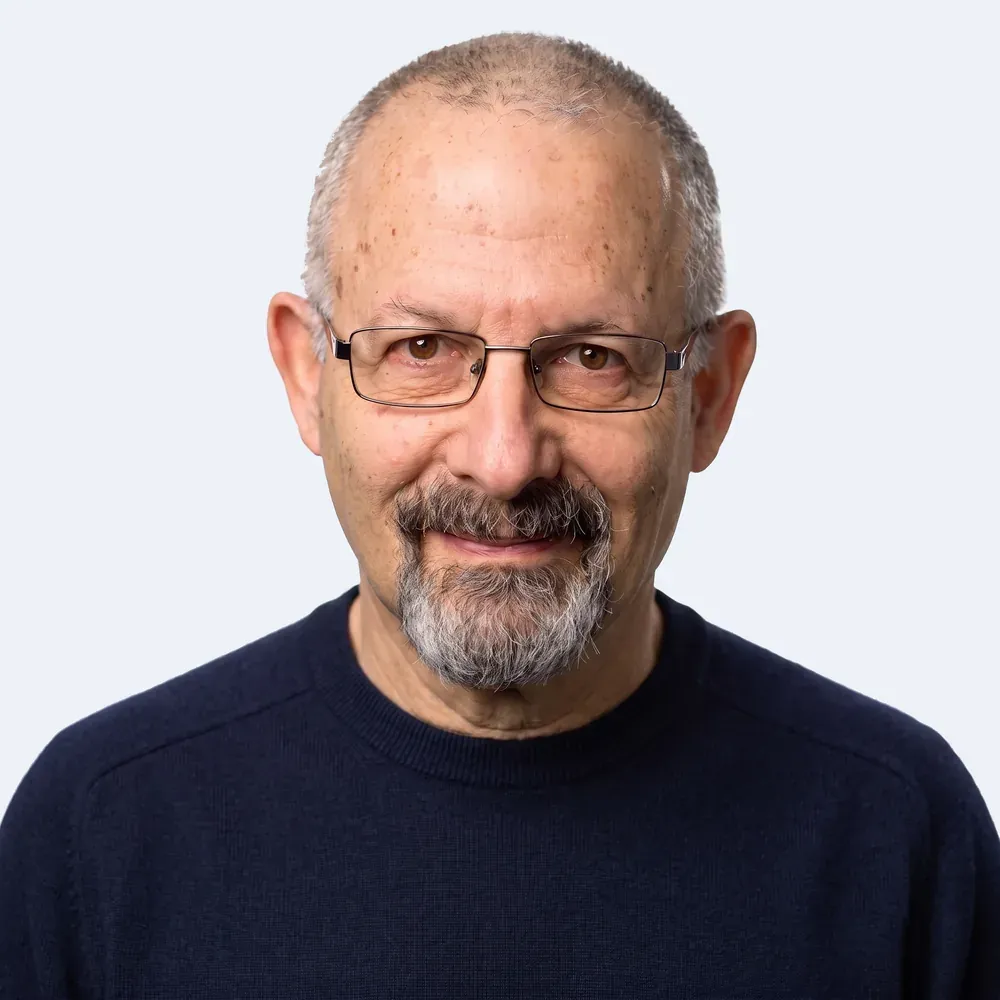
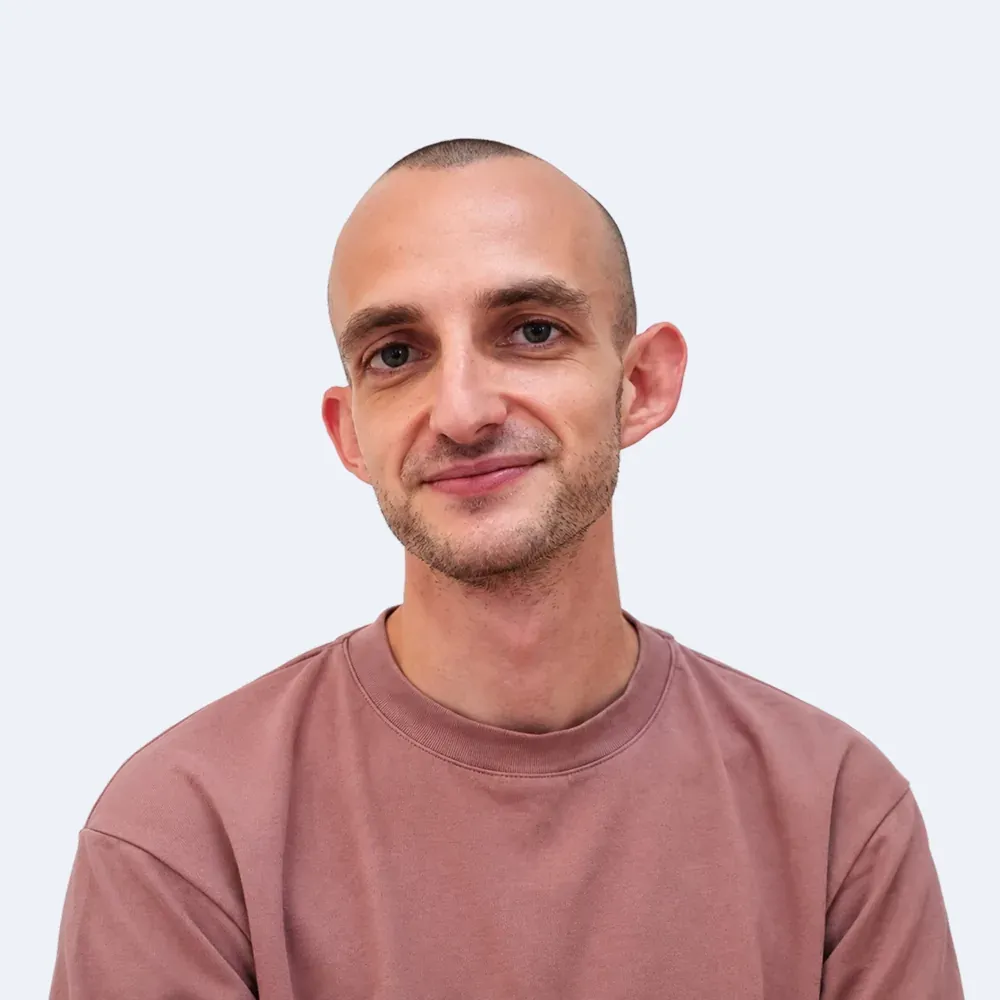
Glimpse's founders bring together cognitive science, machine learning, talent strategy, and systems engineering to give organizations predictive intelligence to support the decisions they make about people.
Off the record
A few things the resumes leave out
We spend our days modeling, so here is a little data on us.
01 How it started
A coffeeshop near a train station
It began with an introduction. The head of Oazis, Ben-Gurion University's accelerator and venture builder, thought Dalit should meet Nachshon, to see whether the science he'd spent years developing in academia had a life beyond the lab. They agreed to meet at a small coffee shop near the train station in Dalit's hometown. One conversation was all it took. The rest is history.
As sworn by both, story slightly improved each retelling
02 Off the clock
We keep score
Our happy hours come with wine, snacks, and a board game, usually Pictionary or Codenames, and always more competitive than legally necessary. Every trait that defines the team shows up around that table: creative problem-solving, out-of-the-box thinking, a can-do attitude, and a will to win that has ended at least one friendship (temporarily). We keep score. We keep receipts. Turns out how we play says a lot about how we work.
Witnessed, no one has recovered
03 House rule
Lunch is not negotiable
Nobody skips lunch. Every day around 12:30, Nachshon's hunger alarm goes off and the gentle prodding begins: the WhatsApp group filling with "starting to nibble the furniture" and one-word "food" messages trailed by a pensive face. The all-time classic: the day Nachshon leaned into a business-team meeting to warn, deadpan, "In a little while, there'll simply be a skeleton in the corner."
Enforced daily by Nachshon's stomach
04 Hot takes
An opinion each will defend forever
Zacharya will pick the boldest position in the room and defend it with one ingenious edge case, because "improbable" is not "impossible," thank you. Nachshon, the scientist, drags everyone back to the data: trust the trend, not the anecdote, and he'll die on that hill (with a confidence interval). Dalit anchors every debate to the customer and won't budge: if it doesn't create real value for real people, it's a no. Three different instincts, one high bar, and usually a better answer for having argued it out.
The hill they've chosen to camp on